We help hospitality businesses increase bookings, improve customer perception and grow revenue through commercially driven branding and marketing.

Creative
effectiveness
Centerplate is a major food and beverage service provider for entertainment venues for stadiums, arenas, convention centres and museums.
-
ACC Liverpool
BarnsleyFC
Bath Theatre
Bradford
Brighton i360
Bristol Ashton Gate
Bury FC
Celtic FC
Derby County FC
Derby Theatre
Doncaster Keepmoat Stadium
Dundee FC
Essex CCC
GCCC
Hepworth Museum
Hillsborough Stadium
KCCC
Leicester Tigers
LIverpool Philaminic Orchestra
Liverpool Uni
Livingston FC
Malvern Theatre
Millwall FC
NorthamptonFC
Notts County
RAF Hendon
Rotherham United
Sage Gateshead
Sheffield Wednesday
Spurs FC
Stoke City FC
Sunderland airshow
Sunderland FC
Swindon Town
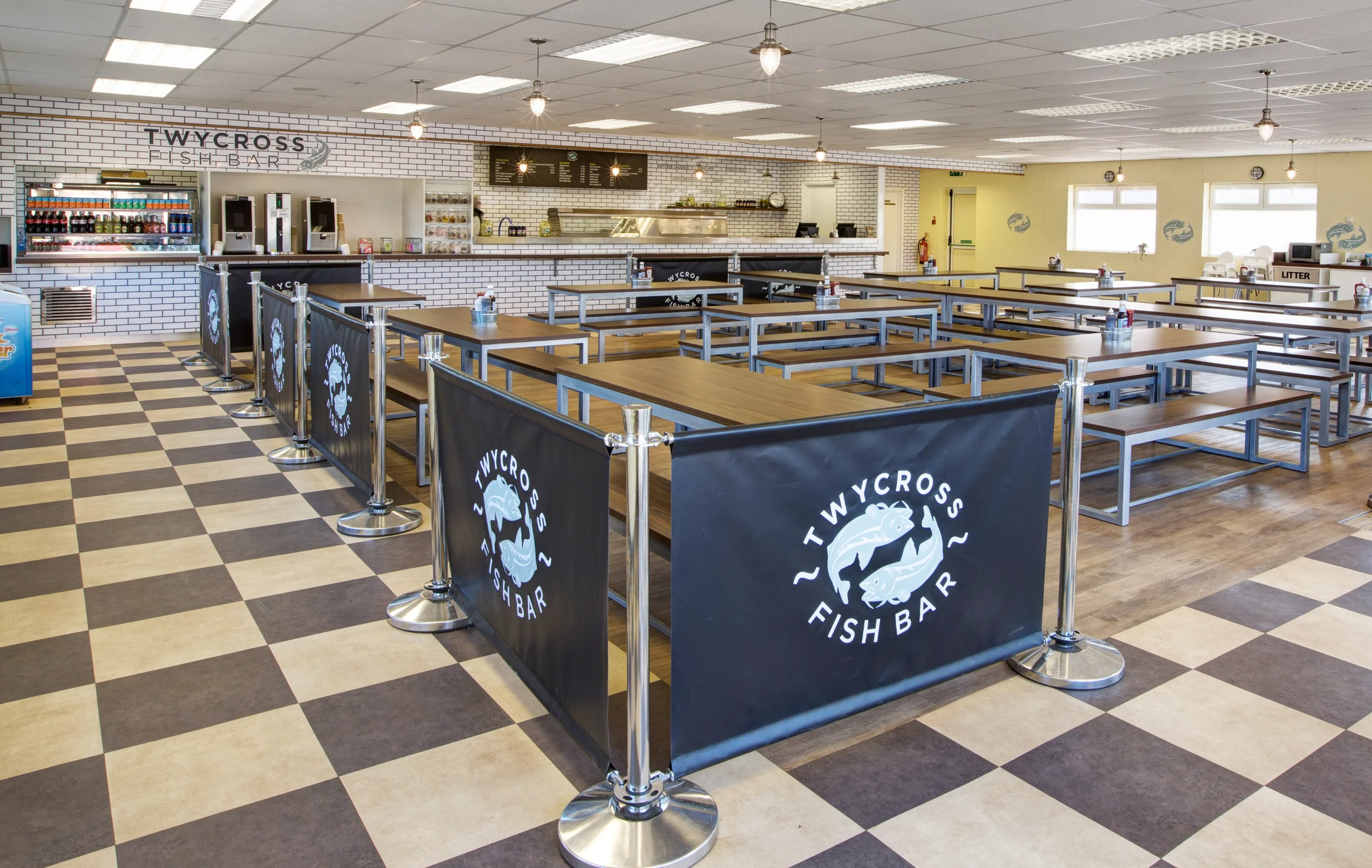
Twycross Zoo
Warner Bro
Warrington Wolves
Watford FC
results snapshot
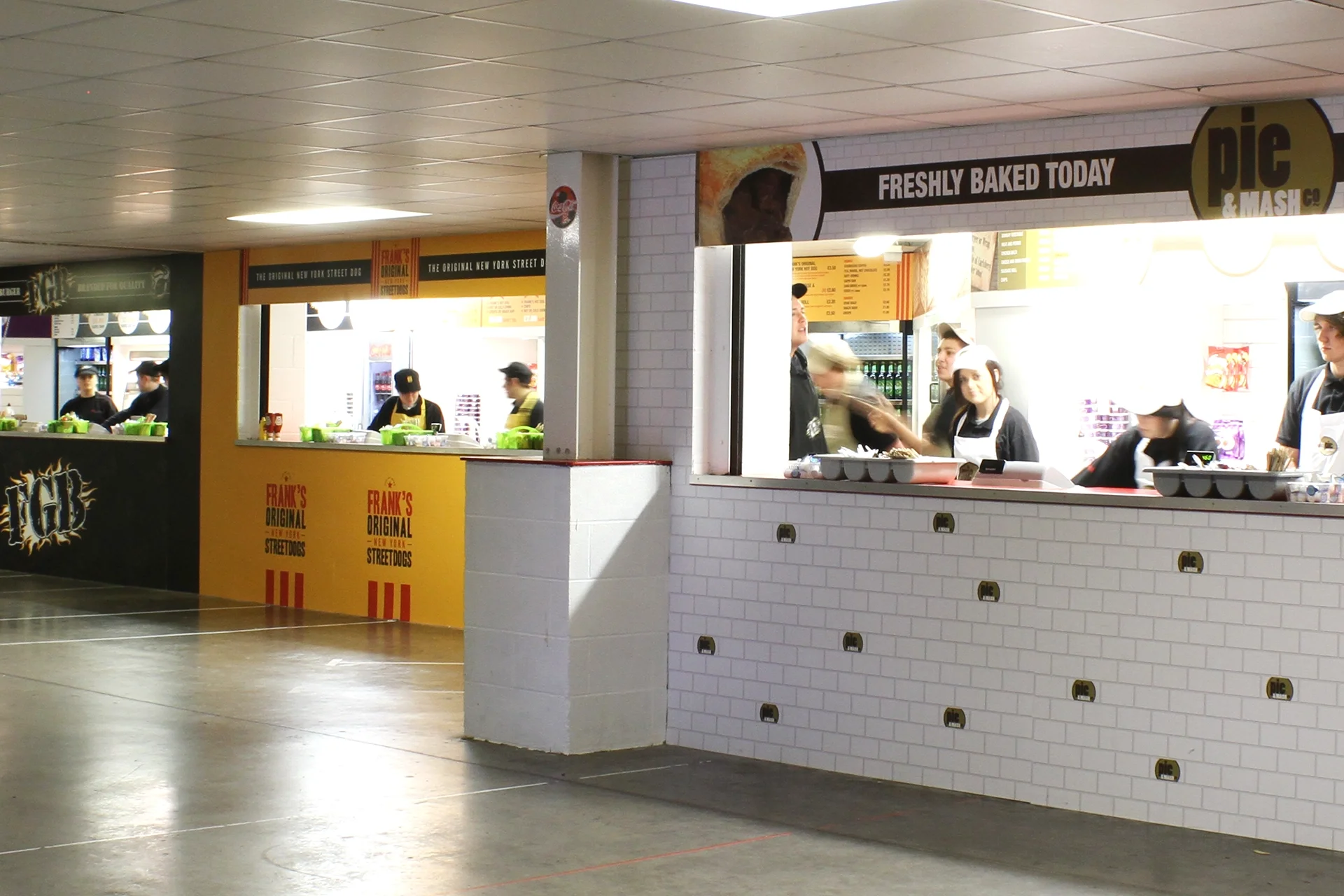
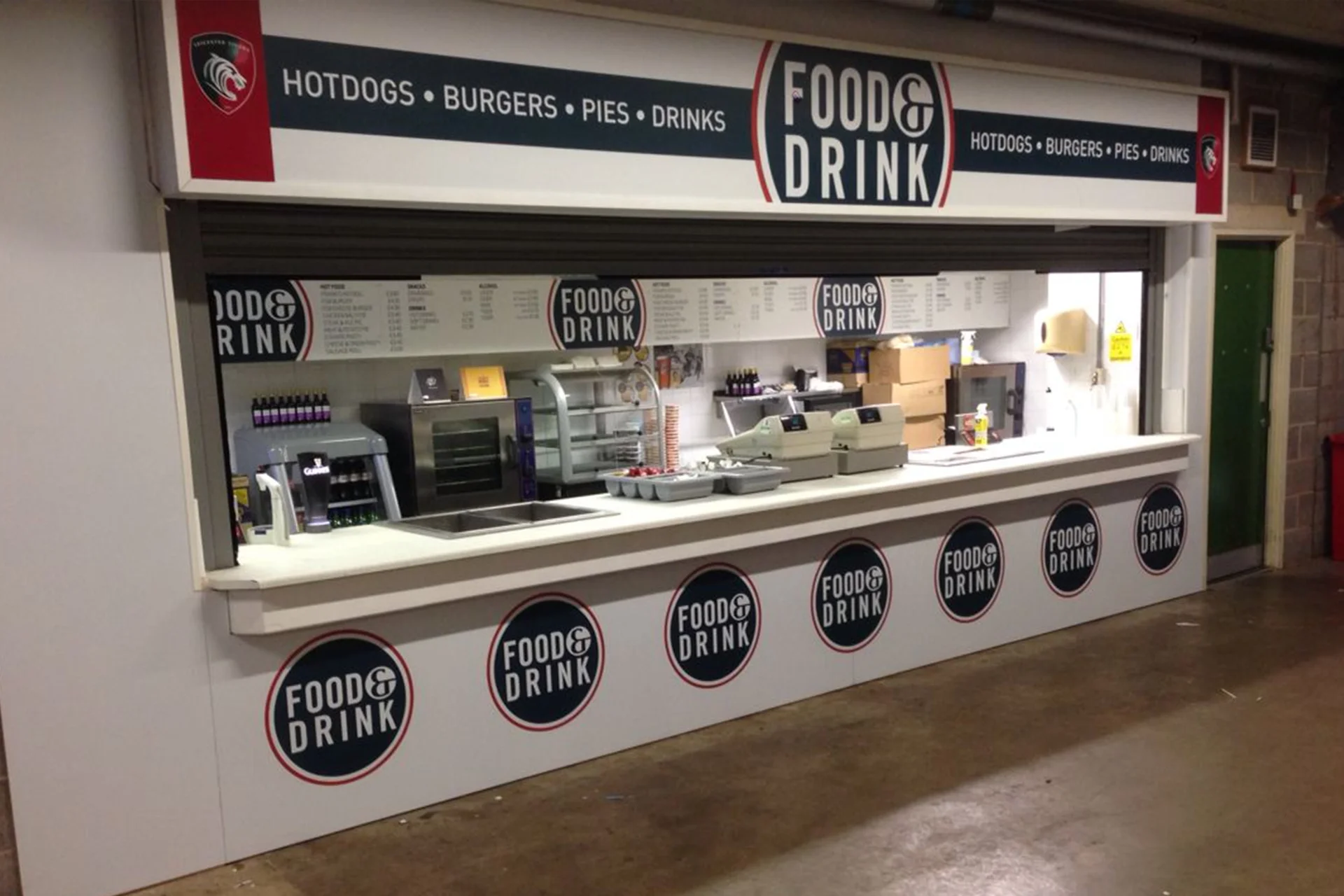
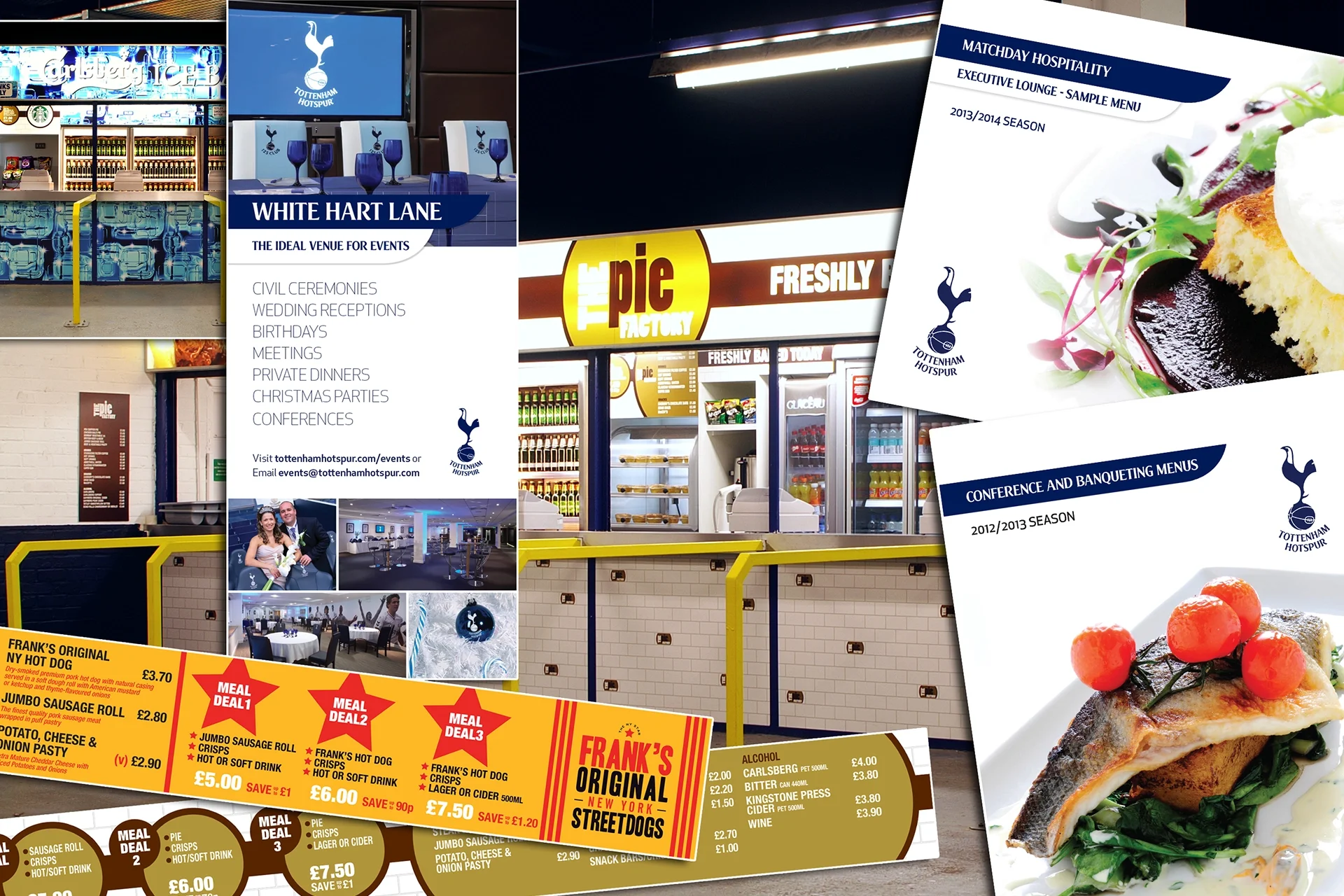
Lindley Venue Catering has launched a new range of branded food retail concepts
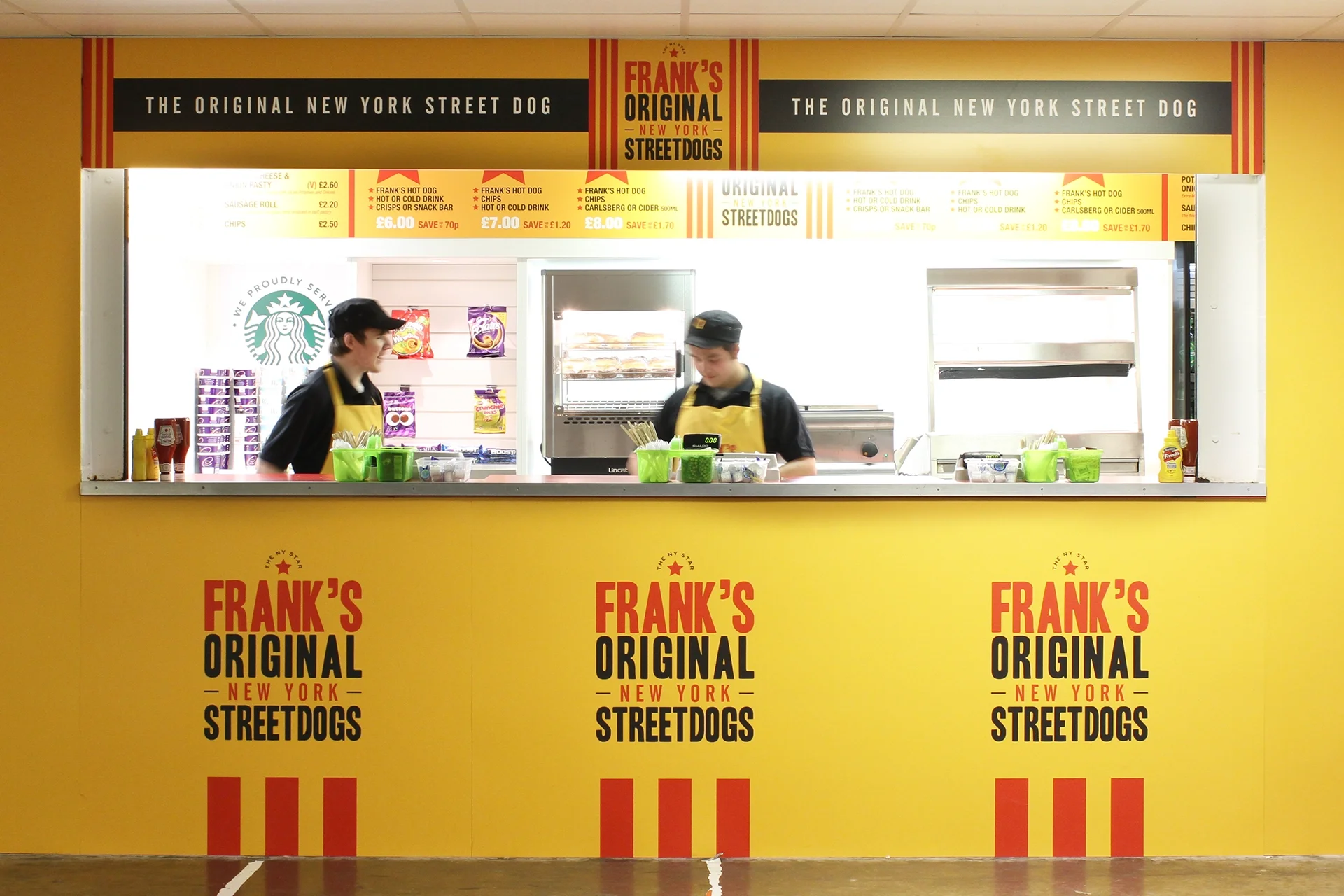
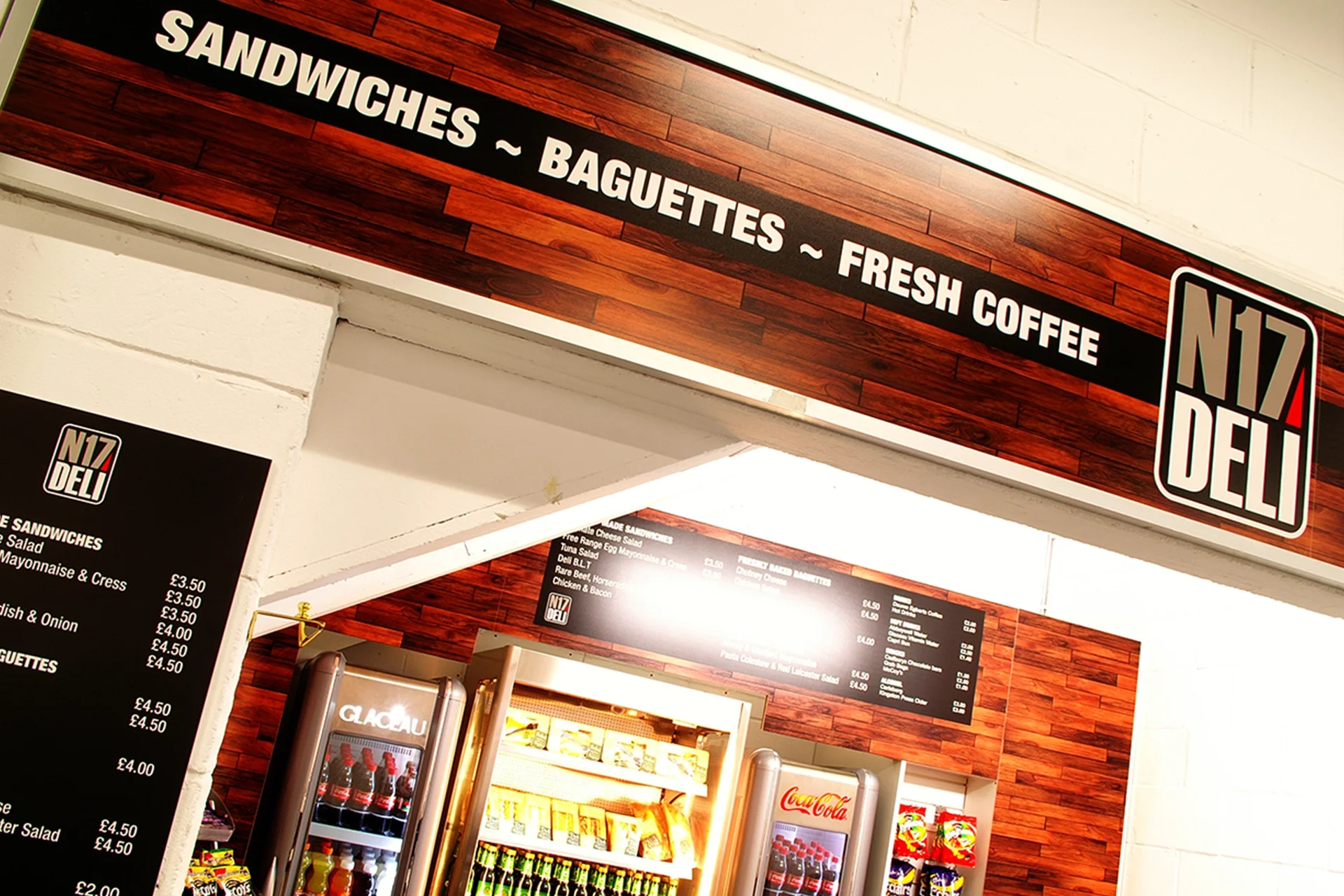
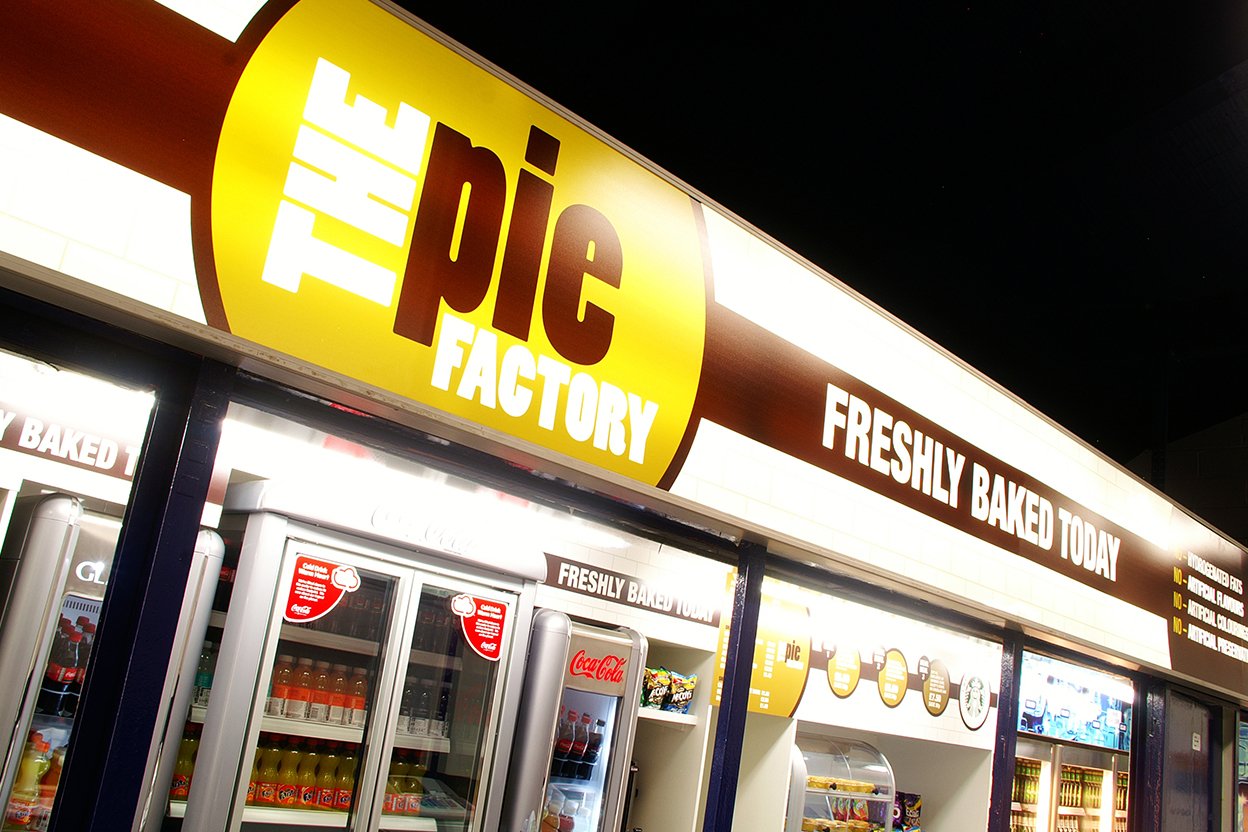
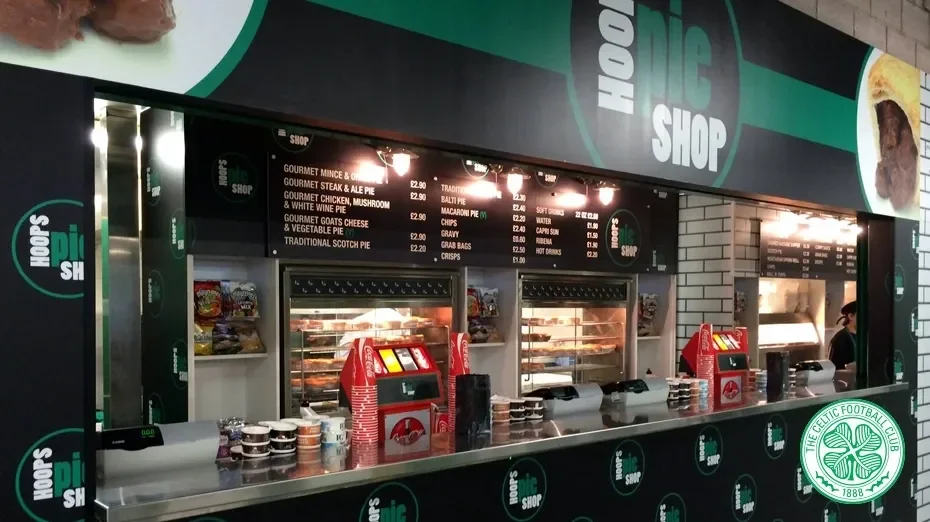
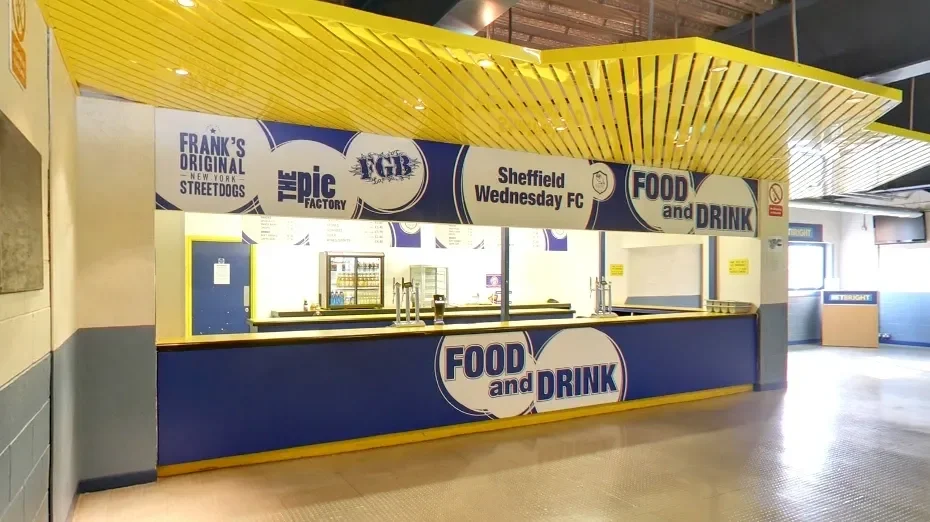
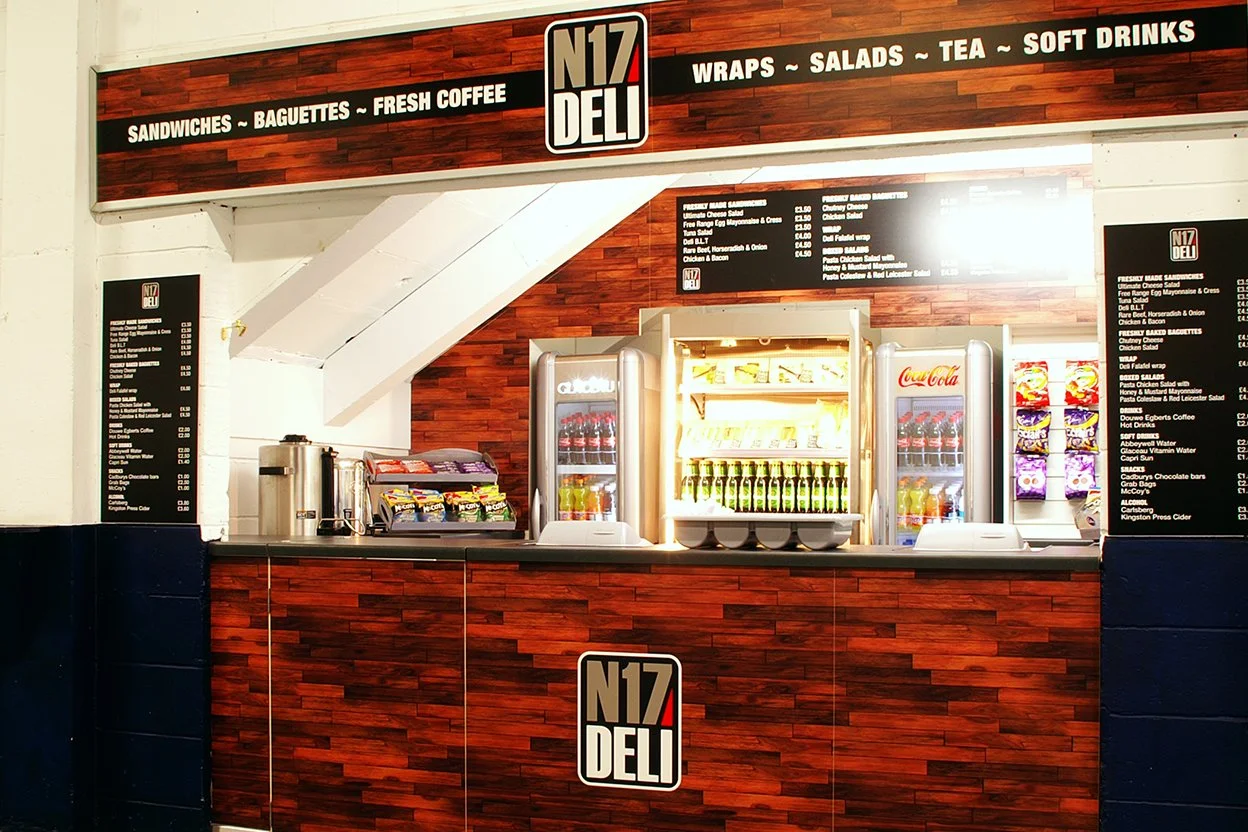
Tottenham Hotspur FC's White Hart Lane Stadium was the first to benefit from some of the new brands. The New Franks Hot Dogs, Pie Factory and N17 Deli concepts were installed in the autumn, resulting in an 18% increase in total cash takings. Hot dog sales jumped by 28%, while pie sales saw a 19% lift.
The concepts, which also include Pie & Mash Co, FGB (Flaming Good Burger) and Henry's Chicken, as well as bespoke deli concepts, are now available to roll out to Lindley's other professional football and rugby stadia clients.
"The quality and innovation that we have seen in branded retail food outlets on the high street, in mainstream visitor attractions and within other leisure venues hasn't, until now, been evident in sports stadia.
"The aim of our new food service retail brands is to raise the bar in terms of quality, customer service and, ultimately, spend per head in stadia markets, and the results achieved have been extremely positive and have prompted us to roll out these brands to other sites.".
Adam Elliott, Chief Executive of parent company the Lindley Group.
-
Lindley Hospitality: Commercial Transformation and Revenue Growth Strategy
Lindley Hospitality was one of the UK's leading hospitality operators, delivering catering and hospitality services across major sporting venues and visitor attractions nationwide.
Our engagement began during a critical growth phase for the business. Initially commissioned to lead a corporate rebrand, the relationship quickly evolved into a broader strategic partnership with the marketing and leadership teams, focused on accelerating growth, increasing operational efficiency, and strengthening competitive positioning.
Strategic Challenge
Lindley operated in a highly competitive market dominated by large-scale providers including Sodexo, Compass Group, BaxterStorey and Elior. To increase market share, the business needed to differentiate its offer while simultaneously improving operational performance across multiple venues.
Analysis identified several structural issues within the matchday catering model:
Food and beverage offers varied significantly between venues, creating inconsistency in customer experience and operational complexity.
Consumers were presented with excessive menu choices during short purchasing windows.
Average transaction times of 5–6 minutes constrained throughput during peak periods.
High SKU counts contributed to unnecessary waste and reduced profitability.
Existing formats failed to maximise revenue opportunities from captive audiences.
Strategic Response
A portfolio of scalable, venue-agnostic hospitality brands was developed and implemented across the estate.
The approach focused on:
Creating distinctive proprietary food and beverage concepts that could be deployed consistently across multiple venues.
Rationalising menu structures to simplify customer decision-making.
Standardising operational delivery models.
Reducing preparation complexity and inventory requirements.
Improving customer flow through high-demand service points.
The objective was not simply to redesign menus, but to fundamentally improve the economics of the matchday hospitality model by increasing throughput, reducing waste and enhancing margin performance.
Business Impact
The programme delivered significant operational and commercial improvements:
Average transaction times reduced from 5–6 minutes to 2–3 minutes.
Customer throughput increased substantially during peak trading periods.
Sales volumes increased by approximately three times across participating venues.
Food waste was reduced through menu simplification and improved stock management.
Profitability improved through a combination of higher sales volumes, lower operational complexity and better inventory utilisation.
The transformation demonstrated that simplifying customer choice and standardising delivery can materially improve both customer experience and commercial performance.
Revenue Diversification
Beyond matchday operations, additional growth opportunities were identified within underutilised venue assets.
Working with the Lindley team, strategies were developed to expand non-matchday hospitality revenues, including corporate events, conferences, private functions and visitor experiences. This enabled venues to generate incremental income from existing infrastructure while reducing reliance on sporting event calendars.
Outcome
The combined effect of brand transformation, operational optimisation and revenue diversification strengthened Lindley's market position and supported its continued growth trajectory.
In 2013, Lindley Group was acquired by Centerplate. The transaction created a global hospitality organisation with projected revenues exceeding £660 million ($1 billion) and a combined workforce of more than 35,000 employees, validating the strength of the business model and the commercial scalability of its operating platform.
Our success with Lindley Hospitality led to an exclusive strategic partnership with Centerplate following the acquisition. We continued to support the organisation across its UK portfolio, helping drive brand development, commercial growth and operational performance improvements. This relationship remained in place until Centerplate's acquisition by Sodexo in 2017, providing continuity through two major ownership transitions and demonstrating the long-term value of the growth strategies and operational models implemented.